
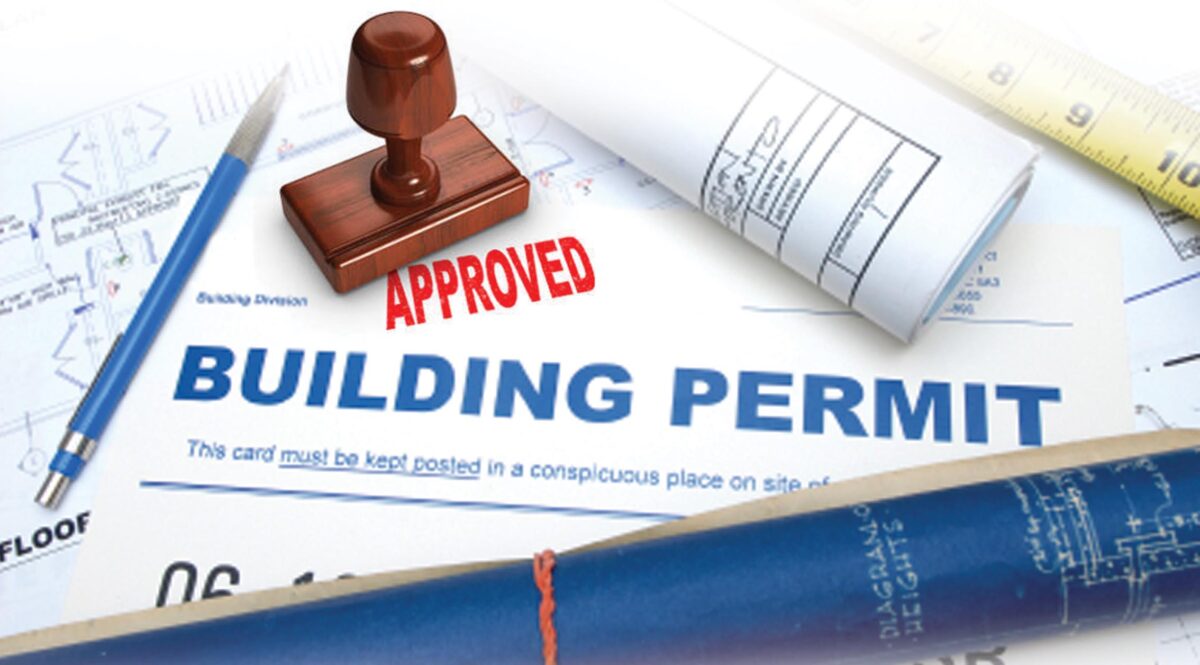
Building a house in Kenya is a significant milestone, but before breaking ground, you must navigate a comprehensive regulatory framework designed to ensure safety, legality, and structural integrity. Skipping these requirements can lead to hefty fines, project delays, or even demolition orders .
Here is a complete checklist of the essential documents and approvals required before starting construction in Kenya.
1. Land Ownership & Title Documents
Before any construction can legally begin, you must prove you own the land and that it is suitable for development.
| Document | Purpose |
|---|---|
| Title Deed or Lease | Proof of ownership of the land. Must be verified at the Ministry of Lands. |
| Official Land Search | Conducted at the Land Registry to confirm ownership, acreage, and any encumbrances (e.g., charges, caveats) . |
| Survey Plan | A certified map showing exact plot boundaries, prepared by a registered surveyor. |
| Proof of Land Rates Payment | Clearance from the county government confirming all land rates are paid up to date . |
Why this matters: Without clean title documents, county governments will reject your building plan applications. Additionally, banks and SACCOS require approved plans before disbursing construction loans .
2. Approved Architectural & Structural Drawings
Your building plans must be prepared and stamped by registered professionals before submission to the county government.
| Document | Prepared By | Regulatory Body |
|---|---|---|
| Architectural Drawings | Registered Architect | Board of Registration of Architects and Quantity Surveyors (BORAQS) |
| Structural Drawings | Structural Engineer | Engineers Board of Kenya (EBK) |
| Bill of Quantities (BOQ) | Registered Quantity Surveyor | BORAQS |
Key requirements:
-
All professionals must hold valid practicing licenses for the current financial year .
-
Drawings must comply with the National Building Code 2024, which replaced Kenya’s 1968 building regulations .
-
For multi-storey buildings, counties may require a peer review by a second registered engineer .
3. County Government Building Permit
The building permit is the primary approval from your local county government, confirming that your project meets zoning laws and construction standards.
| Requirement | Details |
|---|---|
| Where to Apply | County Planning Department (e.g., Nairobi e-Construction Portal: edev.nairobiservices.go.ke) |
| Fee Structure | Typically 0.5% to 1.5% of the estimated construction cost, based on plinth area |
| Supporting Documents | Title deed, survey plan, stamped architectural/structural drawings, BOQ summary, NCA contractor details |
| Processing Time | 30–90 days, depending on project complexity and completeness of documentation |
Key consideration: Some counties issue permits valid for up to two years, but this varies—always confirm with your local planning office .
4. National Construction Authority (NCA) Project Registration
NCA registration is mandatory for all construction projects valued at KSh 5 million or more. This is a legal requirement under Section 17 of the NCA Regulations 2014 .
| Requirement | Details |
|---|---|
| Who Registers | The developer/property owner must register the project, not the contractor |
| Timeline | Within 30 days from the date a contractor is appointed |
| Where to Apply | NCA online portal (nca.go.ke) |
| Registration Fee | 0.05% of the project value |
| Construction Levy | 0.5% of the project value, payable during registration |
Required documents for NCA registration :
-
Approved architectural and structural drawings
-
County government approval/permit (PPA2 form or approval letter)
-
Bill of Quantities (BOQ) summary page, signed and stamped by a registered quantity surveyor
-
Copy of developer’s KRA PIN
-
Signed contract or agreement between developer and contractor
-
Supervision commitment letters from consultants (architect, engineer, etc.)
-
NCA registration and valid practicing license for the contractor
-
Valid practicing licenses for all consultants (architect, engineer, quantity surveyor)
-
NEMA approval (if applicable)
-
Other statutory approvals (EPRA, WRA, KCAA, etc., where applicable)
Note: Project registration is currently free of charge, though the construction levy still applies .
5. National Environment Management Authority (NEMA) Approval
Environmental clearance is required for projects that may impact the environment. The requirements vary based on project scale.
| Project Type | Requirement |
|---|---|
| Projects >3 storeys or large developments | Full Environmental Impact Assessment (EIA) License |
| Smaller projects | Environmental Impact Assessment (EIA) or Environmental Audit (EA) report |
| Cost Range | KSh 10,000–200,000 depending on project scale |
Key considerations:
-
Only NEMA-registered environmental experts can prepare the EIA report .
-
Approval confirms your project meets Kenya’s environmental sustainability standards .
6. Other Statutory Approvals (Where Applicable)
Depending on your project location and type, additional approvals may be required.
| Authority | Applicable Projects |
|---|---|
| Kenya Civil Aviation Authority (KCAA) | Structures near airports or airstrips |
| Energy and Petroleum Regulatory Authority (EPRA) | Projects involving fuel storage, gas installations, or large energy systems |
| Water Resources Authority (WRA) | Projects near water bodies or requiring significant water abstraction |
| County Fire Department | Fire safety clearance, especially for commercial or multi-storey buildings |
Fire clearance fees typically range from KSh 20,000–50,000 .
7. Contractor & Professional Documentation
All professionals working on your project must be properly registered and licensed.
| Role | Registration Requirement |
|---|---|
| Contractor | Must be NCA-registered with a valid practicing license in the appropriate category (NCA 1–8 based on project value) |
| Architect | BORAQS-registered with valid practicing license |
| Structural Engineer | Engineers Board of Kenya (EBK)-registered with valid practicing license |
| Quantity Surveyor | BORAQS-registered with valid practicing license |
| Environmental Expert | NEMA-registered |
| Site Supervisor | Must be registered with NCA |
Verification: You can verify professional registrations through the NCA portal, EBK website, and BORAQS .
8. Occupancy Certificate (Post-Construction)
Once construction is complete, you must obtain an Occupation Certificate from the county government before moving in .
| Requirement | Details |
|---|---|
| Purpose | Confirms the building was constructed according to approved plans and is safe for habitation |
| When to Apply | After final inspection and completion of all construction works |
| Why It Matters | Required for insurance, property sale, and mortgage applications |
Summary Checklist: Documents Before Construction
| Category | Document | Issuing Authority |
|---|---|---|
| Land | Title deed, land search, survey plan, rates clearance | Ministry of Lands, County Government |
| Design | Architectural drawings, structural drawings, BOQ | BORAQS-registered architect, EBK-registered engineer, registered QS |
| County | Building permit | County Planning Department |
| NCA | Project registration number | National Construction Authority |
| NEMA | EIA License or Environmental Impact Assessment report | National Environment Management Authority |
| Contractor | NCA registration & practicing license | National Construction Authority |
| Professionals | Practicing licenses for all consultants | EBK, BORAQS, NEMA |
| Utilities | Fire clearance, utility connection approvals | County Fire Dept, utility providers |
| Developer | KRA PIN | Kenya Revenue Authority |
Estimated Costs & Timeline
| Approval | Typical Cost (KSh) | Timeline |
|---|---|---|
| County Building Permit | 0.5–1.5% of construction cost | 30–90 days |
| NCA Project Registration | 0.05% of project value (levy: 0.5%) | 14+ days |
| NEMA EIA License | 10,000–200,000 | Varies |
| Change of Use Approval | 60,000–120,000 | Varies |
| Fire Clearance | 20,000–50,000 | Varies |
Total permit costs for a typical mid-rise apartment range from KSh 500,000 to KSh 1.5 million, excluding professional fees .
Common Pitfalls to Avoid
-
Building without a permit: Can result in fines of up to twice the permit fees, stop-work orders, or demolition .
-
Unregistered professionals: Drawings prepared by unlicensed architects or engineers will be rejected .
-
Unapproved alterations: Removing load-bearing walls or adding floors without proper approval can destabilize structures .
-
Missing NCA registration: Projects over KSh 5 million cannot proceed without NCA project registration .
-
No Occupation Certificate: Banks, insurers, and buyers will require this for financing, coverage, or purchase .
How Markman Build Can Help
At Markman Build, we guide clients through every step of the approval process, ensuring your project is fully compliant before construction begins. Our services include:
-
✅ Land due diligence and title verification
-
✅ Coordination with registered architects, engineers, and quantity surveyors
-
✅ Preparation and submission of county building permit applications
-
✅ NCA project registration and compliance management
-
✅ NEMA environmental approvals (where required)
-
✅ Liaison with county authorities for inspections and approvals
We don’t just build—we ensure your project is legally sound from the ground up.
MARKMAN BUILD COMPANY
Location: Nairobi, Kenya
Phone: 0729001366 / 0720277948
Email: info@markmanbuild.com
Motto: “Built Strong. Built Right.”